
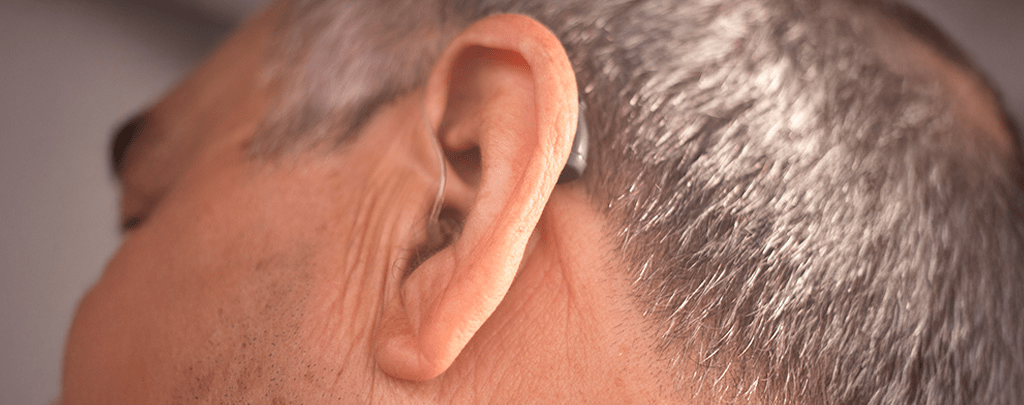
If you wear hearing aids, you already know how much they improve your connection with the world. But one common issue that many hearing aid users face — and often don’t realise — is ear wax build-up. Ear wax (also called cerumen) is perfectly natural and helps protect the ear canal, but it can also cause hearing aids to malfunction, distort sound, or stop working altogether.
At Suction Ears, we frequently assist clients whose hearing aids have been affected by excess wax. With the right care and maintenance, you can keep both your ears and your hearing aids in top condition.
Why Ear Wax Is a Problem for Hearing Aid Users
Wearing hearing aids changes the natural airflow in your ear canal. This can cause your ears to produce more wax than usual, or make it harder for wax to migrate out naturally. Over time, wax can:
- Block sound output from the hearing aid receiver (the small opening where sound enters your ear).
- Clog the microphone ports and reduce sound clarity.
- Cause feedback (whistling) due to sound bouncing off trapped wax.
- Create discomfort or a blocked sensation when wax builds up behind the device.
In some cases, hearing aids can even push wax deeper into the ear canal, leading to impacted ear wax and muffled hearing — making it harder to tell whether the problem is your ears or your device.
Signs Ear Wax Is Affecting Your Hearing Aids
You might notice that:
- Sounds seem muffled or weaker than usual.
- You experience whistling or static noises.
- Your hearing aids need frequent repairs or cleaning.
- You feel pressure, itching, or fullness in your ears.
- One ear seems to perform better than the other.
If these signs appear, it’s worth checking both your hearing aids and your ears for wax build-up.
How to Keep Your Hearing Aids Working at Their Best
Here are some practical tips for maintaining your devices and keeping your ears healthy:
1. Clean Your Hearing Aids Daily
Use a soft, dry cloth or the cleaning tools provided by your audiologist. Pay special attention to the receiver, microphone ports, and domes. Avoid using water or cleaning agents, as moisture can damage delicate electronic components.
2. Use a Wax Guard or Filter
Most modern hearing aids come with wax guards — small, replaceable filters that protect the speaker from debris. Change these regularly, or sooner if you notice sound distortion or blockage.
3. Keep Ears Clean and Dry
Avoid inserting cotton buds or sharp objects into your ears. Instead, schedule regular ear checks and professional microsuction ear wax removal every 6–12 months, depending on your wax production. Microsuction is the safest and most effective way to clear wax without risking damage to your hearing aids or ears.
4. Store Hearing Aids Properly
When not in use, keep your hearing aids in a drying box or dehumidifier to remove moisture and extend their lifespan. This is especially important in humid environments or for those who perspire heavily.
5. Book Routine Audiology Care
Regular maintenance and check-ups with your audiologist ensure both your hearing aids and ear health are functioning optimally. At Suction Ears, we can check wax levels, clean your devices, and ensure your hearing aids are performing at their best.
How Microsuction Helps Hearing Aid Users
Unlike ear syringing or water irrigation, microsuction ear wax removal is a dry and precise procedure. It’s performed under direct vision using a gentle suction device, making it ideal for people with hearing aids, perforated eardrums, or ear infections.
Regular microsuction can:
- Prevent blockages that distort hearing aid performance.
- Reduce the risk of infection or irritation.
- Keep your hearing aids cleaner and lasting longer.
Keep Your Hearing Clear and Devices Healthy
Your hearing aids are a valuable investment in your quality of life — and maintaining them starts with healthy, wax-free ears. With routine care and professional ear cleaning, you can prevent unnecessary repairs and enjoy clearer, more reliable hearing every day.
At Suction Ears, our audiologists specialise in ear wax removal for hearing aid users, ensuring your ears and devices are working perfectly together.
Book your next microsuction appointment today and keep your hearing — and your hearing aids — performing at their best.