
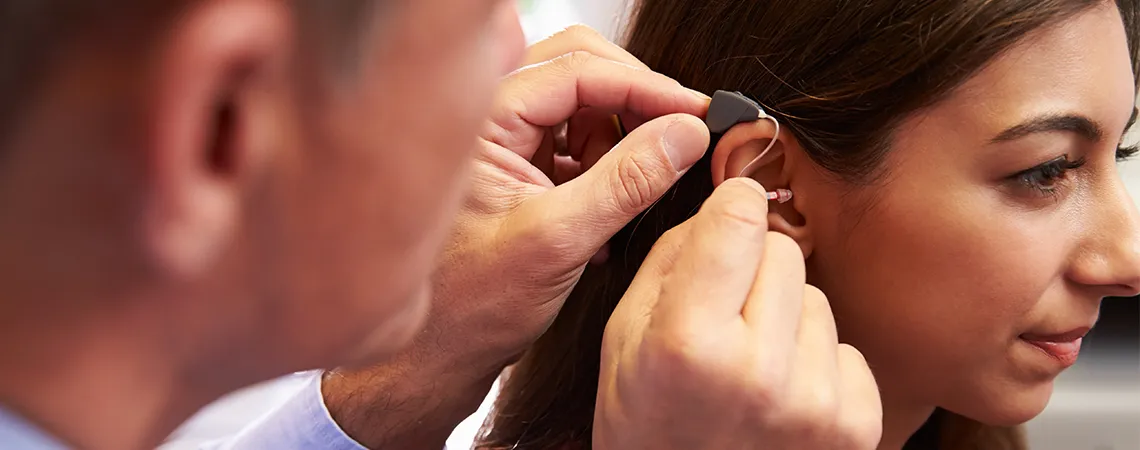
Hearing aids are a fantastic tool for enhancing communication and improving the quality of life for those with hearing loss. But if you wear hearing aids, you might have noticed an increase in ear wax build-up over time. Is there a connection? In this blog, we’ll delve into why hearing aids can sometimes lead to more ear wax and what you can do to keep your ears healthy and comfortable.
Why Do We Have Ear Wax?
Before we dive into the relationship between hearing aids and ear wax, it’s essential to understand what ear wax is and why we need it. Ear wax, or cerumen, is a naturally occurring substance produced by glands in the ear canal. It plays an essential role in keeping the ears healthy by trapping dirt, dust, and debris, preventing them from reaching deeper parts of the ear. Additionally, ear wax helps lubricate the ear canal, protecting the skin from becoming too dry and irritated.
Under normal circumstances, ear wax works its way out of the ear naturally through jaw movements such as chewing and talking. However, wearing a device like a hearing aid can disrupt this natural process.
How Do Hearing Aids Affect Ear Wax?
Hearing aids can contribute to ear wax build-up in several ways:
- Blocking the Natural Migration of Ear wax
Hearing aids sit inside the ear canal, which can interfere with the natural movement of wax toward the outer ear. The device acts as a barrier, causing wax to accumulate behind it instead of gradually exiting the ear canal.
- Stimulation of the Ear Canal
Inserting and removing hearing aids daily can cause the ear canal to produce more wax. The constant presence of a foreign object can stimulate the ear to create additional wax as a protective measure, leading to increased production and a higher risk of impaction.
- Pushing Wax Deeper into the Canal
When hearing aids are inserted, they can inadvertently push wax deeper into the ear canal. This compaction of wax can lead to blockages, resulting in discomfort, reduced hearing, or even temporary hearing loss.
- Trapped Moisture
Wearing hearing aids can also trap moisture in the ear canal, which may cause the wax to become softer and more prone to build-up. Excessive moisture can create an environment where bacteria and fungi thrive, potentially leading to infections.
Signs of Ear Wax Build-Up for Hearing Aid Users
If you wear hearing aids, it’s essential to monitor your ear health and watch out for signs of excessive ear wax. Here are a few symptoms to look out for:
- Muffled Hearing or Reduced Sound Quality: If you notice that your hearing aids aren’t working as well as usual, wax build-up could be blocking the sound.
- Discomfort or Fullness in the Ear: A sensation of fullness, discomfort, or pressure could indicate wax impaction.
- Feedback or Whistling Sounds: Excessive ear wax can cause your hearing aids to produce more feedback or whistling noises.
- Tinnitus (Ringing in the Ears): Blocked ear canals can sometimes lead to an increase in tinnitus symptoms.
Preventing Ear Wax Build-Up with Hearing Aids
Although hearing aids can increase the risk of wax build-up, there are several steps you can take to manage and prevent this issue:
- Regular Professional Cleanings
One of the most effective ways to prevent ear wax problems is to schedule regular ear cleanings with a professional, especially if you’re a frequent hearing aid user. At Suction Ears, we recommend having your ears checked every 3 to 6 months or as needed, depending on your individual wax production and ear health.
- Maintain Good Ear Hygiene
While it’s crucial not to insert anything into your ears (like cotton buds or Q-tips), you can gently wipe the outer part of your ears with a damp cloth to remove any wax that has naturally migrated out.
- Keep Your Hearing Aids Clean
Hearing aids should be cleaned as directed by your audiologist to remove any wax that may have accumulated on the device (typically daily, weekly, monthly or as needed). Use a soft, dry cloth and a wax pick or brush to keep the earpiece and tubing free of wax. Avoid using water or harsh chemicals, as these can damage the electronics.
- Use Wax Guards
Some hearing aids come with wax guards or filters designed to prevent wax from entering the device, and should be replaced as directed by your audiologist.
Use Ear Wax Removal Spray / Drops as Recommended
If your audiologist advises, you can use Clean Ears wax removal spray or drops (over-the-counter) to soften ear wax and help it work its way out more naturally. However, only use these under professional guidance, as some ear wax may not be suitable for everyone, especially if you have a history of ear infections or perforations. Always remember to consult with a professional before using any ear products, as some conditions (such as a perforated eardrum) can be worsened by ear drops or ear wax removal spray.
When to Seek Professional Help
If you’re a hearing aid user experiencing any discomfort, blocked ears, or hearing loss, it’s time to see a professional for a thorough ear examination and cleaning. Suction Ears specialises in microsuction ear wax removal, a safe, gentle, and non-water-based technique that’s ideal for hearing aid users. Microsuction uses a small vacuum to carefully remove wax without pushing it further into the canal or causing discomfort.
Final Thoughts
Hearing aids are a wonderful tool for improving communication and quality of life, but they do require some extra care and attention to keep your ears healthy. Understanding how hearing aids impact ear wax production and taking proactive steps to manage wax build-up can help you enjoy better hearing and comfort.
If you’re noticing any signs of ear wax build-up or just want to keep your ears in the best possible shape, contact Suction Ears today. Our experienced audiologists are here to provide safe, professional ear care so you can get back to enjoying clear, comfortable hearing.