
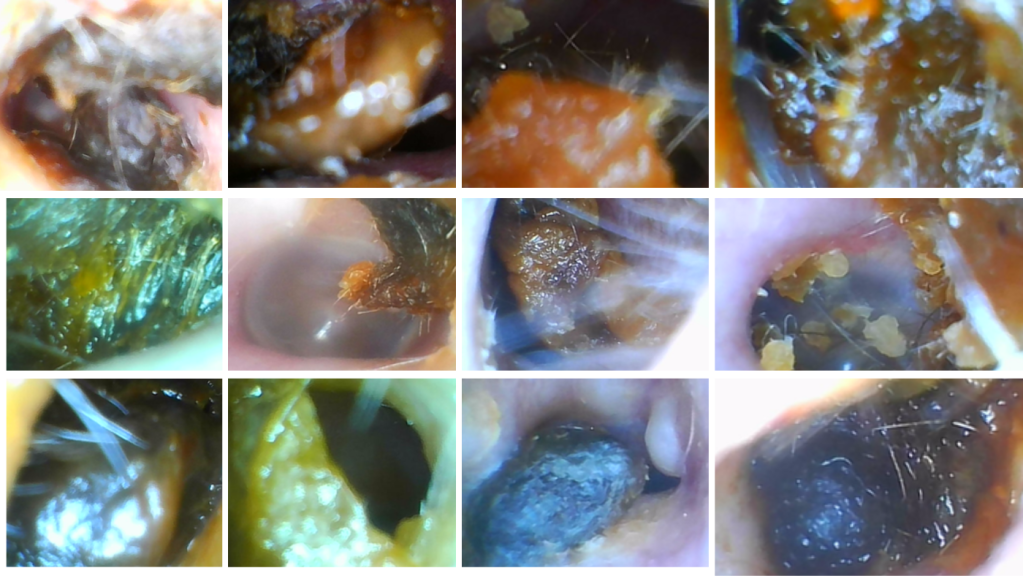
Is the Colour of Your Ear Wax Important?
Many people are surprised to learn that ear wax can come in different colours and textures—and in most cases, this is completely normal. Understanding what ear wax colour means can help you better recognize what’s happening inside your ears and when it might be worth paying attention.
Ear wax (also known as cerumen) is a natural substance produced by glands in the ear canal. It plays an important role in:
- protecting the ear canal from dust and debris
- preventing bacteria from growing
- keeping the skin of the ear canal moisturised
The colour of ear wax can change over time, depending on factors such as age, environment, and how long the wax has been in the ear.
Here’s what different ear wax colours may mean.
Light Yellow or Pale Ear Wax
Light yellow ear wax is very common and completely normal, particularly in children.
This type of wax is often:
- soft
- slightly sticky
- newly produced by the ear
Because it is fresh, it usually moves out of the ear naturally as part of the ear’s self-cleaning process.
Orange or Honey-Coloured Ear Wax
Orange or honey-coloured ear wax is also normal and is commonly seen in adults.
It typically means the wax is a little older and has started collecting small amounts of dust or debris.
Most of the time, this type of wax does not cause problems unless it builds up and becomes impacted.
Brown Ear Wax
Brown ear wax usually indicates that the wax has been in the ear for a longer period of time.
As ear wax sits in the ear canal, it can become darker due to:
- exposure to air
- accumulation of dust or small particles
- natural ageing of the wax
This is normal, but if large amounts build up it can sometimes cause symptoms such as:
- blocked ears
- reduced hearing
- ear pressure
Dark Brown or Almost Black Ear Wax
Very dark ear wax often means the wax has been in the ear canal for quite some time and has become compacted.
This type of wax is commonly seen in cases of impacted ear wax, which may lead to symptoms such as:
- muffled hearing
- a feeling of fullness in the ear
- tinnitus (ringing in the ear)
- dizziness or imbalance
Professional ear wax removal may be needed to clear the blockage safely.
Wet vs Dry Ear Wax
Ear wax can also vary in texture, not just colour.
Some people naturally produce:
- wet, sticky ear wax, or
- dry, flaky ear wax
Both types are normal and largely determined by genetics.
However, dry wax can sometimes build up more easily and may require occasional professional removal.
When Should You See a Professional?
Changes in ear wax colour are usually harmless, but you should consider having your ears checked if you experience:
- blocked or muffled hearing
- ear pressure or discomfort
- ringing in the ears (tinnitus)
- dizziness
- hearing aids not working properly
These symptoms can sometimes be caused by ear wax build-up blocking the ear canal.
Safe Ear Wax Removal
It’s important not to try to remove ear wax with cotton buds or other objects, as this can push the wax deeper into the ear and cause impaction.
At Suction Ears Audiology, we use microsuction ear wax removal, a gentle and precise method that allows clinicians to safely remove wax while clearly visualising the ear canal.
Many patients experience immediate relief from blocked ears and improved hearing after treatment.
Professional Ear Care with Suction Ears Audiology
If you are experiencing symptoms of ear wax build-up, a professional ear examination can determine whether removal is needed.
At Suction Ears Audiology, we provide safe and effective microsuction ear wax removal across Melbourne, including clinic appointments and home visits.
✔ Safe and gentle microsuction
✔ Experienced clinicians
✔ Immediate relief from blocked ears