
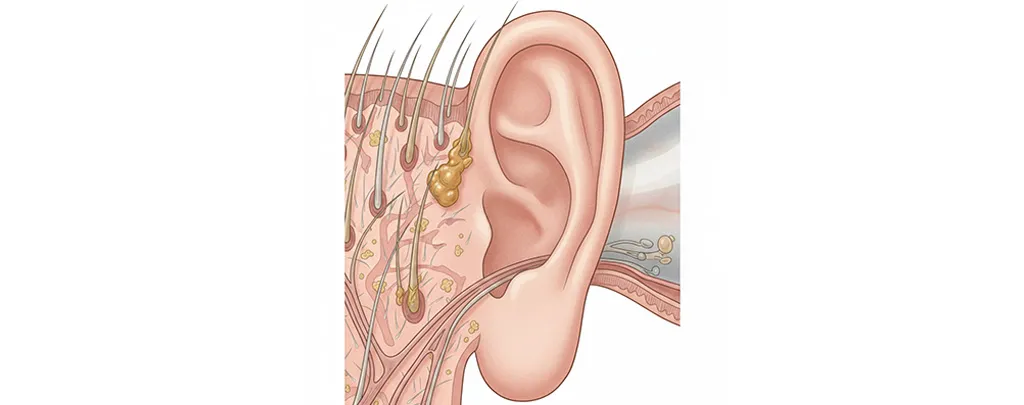
Every ear is different — just like fingerprints, no two ear canals are the same. For some people, their canals are naturally narrow, curved, or have more hair growth, and these factors can make ear health a bit more complicated.
If you’ve ever wondered why your ears seem to block more often, or why ear wax feels harder to manage than others, your anatomy might be the reason. The good news is: with the right knowledge and care, you can stay ahead of it.
This blog explains what hairy and narrow ear canals mean, how they affect wax and comfort, and what support is available.
Why Do Hairy or Narrow Ear Canals Matter?
Hairy Ear Canals
Hair inside the canal is completely normal — but excessive hair or growth near the entrance can:
- Trap wax before it exits naturally
- Collect dead skin and debris
- Interfere with standard wax movement
- Make wax removal slightly more complex
For some people, the canal hair acts like a “gate”, causing wax to pile up or get stuck near the entrance.
Narrow or Curved Ear Canals
Some ear canals are naturally:
- Tight / narrow
- S-shaped
- Angled sharply
- Shorter than average
This can cause:
- Wax to get stuck behind bends
- Harder wax due to reduced airflow
- Less effective clearing of moisture
- Pain or sensitivity when blocked
In some cases, narrow canals make self-cleaning impossible — no matter how careful you are.
Signs These Anatomical Features Are Affecting You
You may notice:
🔹Frequent blocked ears
🔹 Muffled hearing / sudden drop in clarity
🔹 Itchiness or irritation
🔹 Sharp or bending pain during blockages
🔹Crackling or popping sounds
🔹 Wax that seems to “never clear”
🔹 Water trapped after swimming or showering
Many clients describe it as feeling like their ears are “high maintenance” — but with the right routine, they don’t have to be.
Why Microsuction Is Often the Best Choice
Water irrigation isn’t always recommended for these ear types — water may:
- Struggle to flow through narrow canals
- Get stuck behind hair clusters
- Increase risk of infection or swelling
Microsuction is a safer alternative because it:
✔️ avoids water
✔️ allows precise navigation around anatomy
✔️ is gentle for sensitive canals
✔️ can reach deeper or angled areas safely
At Suction Ears, we can also refer to ENT specialists if anatomy makes removal unsafe.
What You Can Do at Home
Not all home remedies are helpful — especially for these ears. However, you can reduce discomfort and support your ears by:
- Avoiding cotton buds (they push wax backward)
- Using wax softening sprays occasionally (if medically safe)
- Keeping outer ear dry after showers/swimming
- Avoiding inserting ear plugs deeply
- Monitoring hearing aid wax guards regularly
⚠️Check with us before using drops if you have a perforation, infection, or history of ear surgery.
Maintenance Matters
For hairy or narrow ear canals, routine care works better than waiting until you feel blocked.
Recommended review schedule:
🗓️Every 3 months → hard, dry, or deep wax
🗓️Every 6 months → recurrent but soft wax
🗓️Yearly → for prevention / check-ins
Consistent care = faster appointments, less discomfort, and fewer flare-ups.
When to See a GP or ENT
We refer onward if:
- Wax sits against the eardrum and can’t be moved safely
- Exostoses or canal bones limit visibility
- Infection or discharge is present
- Severe pain / dizziness occurs
- There’s ongoing blockage despite treatment
This is a team approach — you’re never left guessing.
You’re Not Difficult — Your Anatomy Is Unique
Having hairy or narrow ear canals doesn’t mean you’re doing anything wrong. It just means your ears need a tailored plan — and that’s where we step in.
Our role is to:
👂 help you stay comfortable
🔍 understand your ear shape
📝 create a personalised routine
📈 prevent long-term complications
Book Your Ear Health Check
📍 Clinics: Keysborough | Mentone | Murrumbeena | Bayswater North | Ringwood | Mitcham
🏡 Home Visits Available (distance-based pricing)
💳 Medicare CDM welcome (with GP plan)